

Artificial intelligence has created a strange new obsession.
We want to know at all costs whether something is AI-generated:
Somewhere between regulation, transparency labels, metadata and AI detectors, we seem to have convinced ourselves that there will always be a clean answer.
There probably won’t be.
Because here is the uncomfortable question:
What happens when AI-generated content stops looking like AI-generated content?
Not because the technology became perfect. But because a human opened Photoshop.
One of my recent studies into AI in marketing actually started out very straightforward.
For a WBS exam, I used Zalando as a case study and made a distinction between two production methods:
AI Generated versus AI Modified.
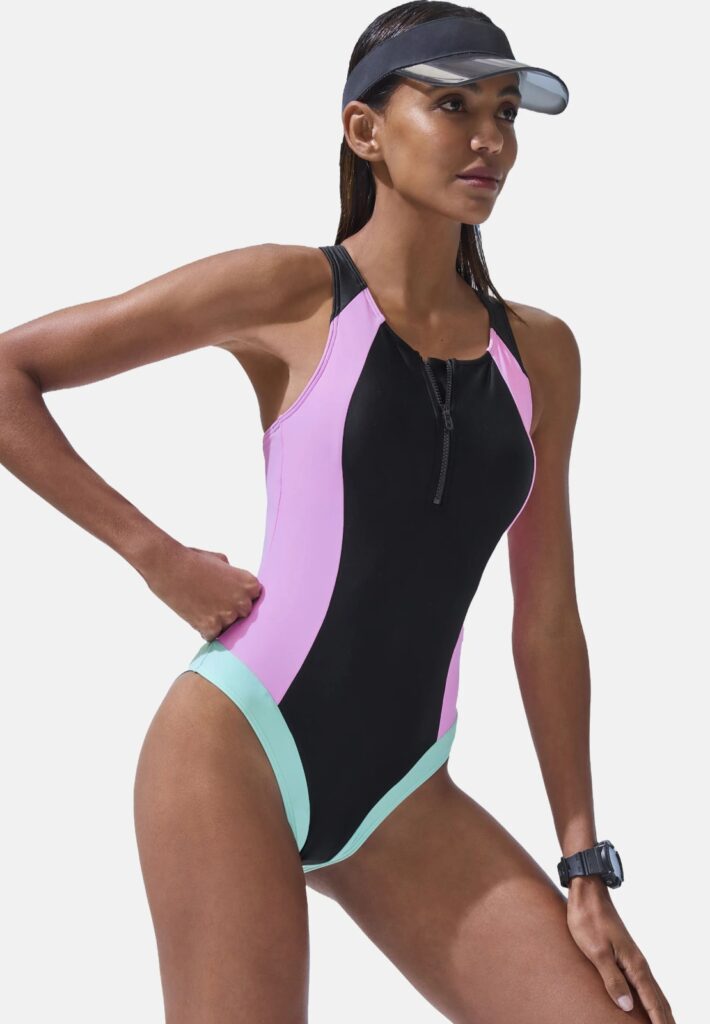
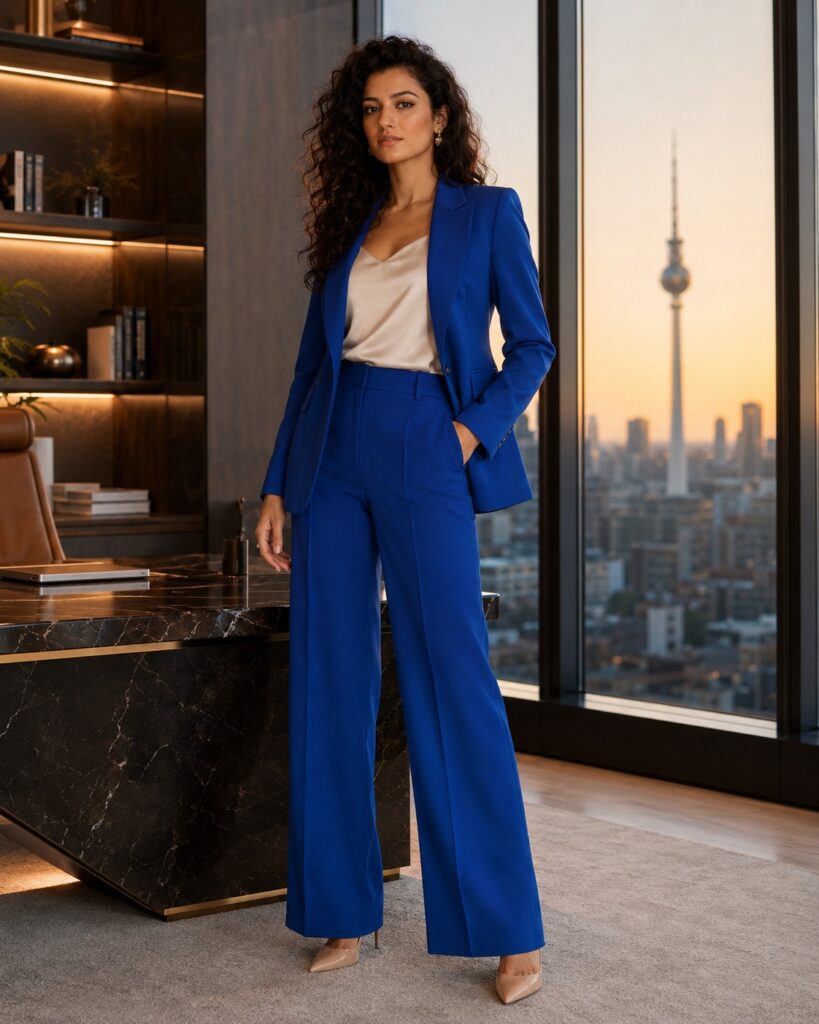

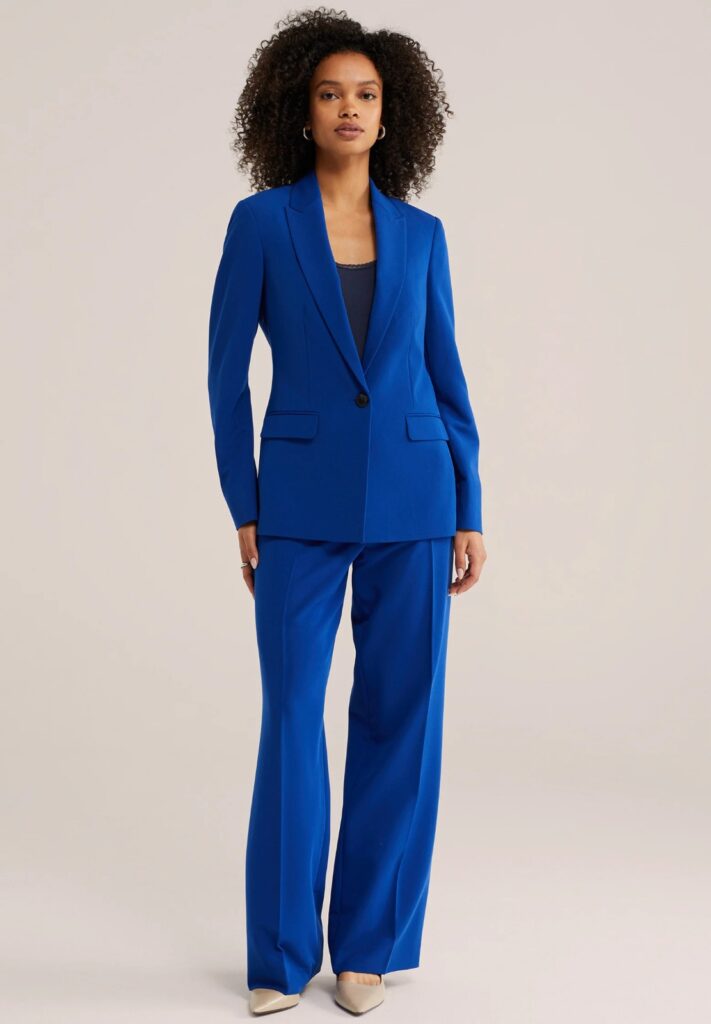
With the first method, AI creates the visual largely from a prompt.
With the second, an actual product image serves as the base, and AI is used to expand the environment, styling, or presentation. The real product remains much more controllable as a result. That distinction was central to the exam.
For e-commerce, that makes sense. A royal-blue suit should still be the royal-blue suit the customer receives. The fabric shouldn’t suddenly look different. The fit shouldn’t become overly flattering just because an AI model thinks reality could use a quick upgrade.
Pretty is not enough it also has to be true!
My conclusion in that exam was therefore that reference-based AI is often the safer route for real retail products: colour, cut, fabric, and fit remain much more controllable.
At the time, it was just an academic scenario. But then something interesting happened:
Zalando started doing almost literally the same thing in practice!
In May 2026, Zalando published that 90% of its on-site marketing content was now being generated using AI.
the company has already produced around 170,000 AI-generated product videos based on existing product photography.
That is no longer experimentation.
That is industrial-scale creative production.
Zalando’s Beauty workflow is particularly interesting.
The company describes hybrid campaign imagery where the model is a real person while the background and visual effects are generated with AI.
In other words:
real person + real product + AI-generated environment.
That is almost exactly the logic behind the AI Modified version of my earlier examination.
Zalando is also experimenting with digital twins of real models and combining them with high-quality product photography.
So the interesting question is no longer:
Should a company like Zalando use AI?
It already does.
At scale.
The better question is:
How do you preserve product truth, authenticity and responsibility once AI becomes part of normal production?
And that is exactly where my second WBS examination begins.
That is no longer a small experiment; that is industrial-scale content production.
And what’s striking is that Zalando applies the exact same hybrid philosophy that was central to the exam.
For Beauty, for example, Zalando uses real models and real product photos, while AI is deployed for backgrounds and additional visual elements. Zalando itself cited a Halloween Beauty shoot where the person was real, while the background and iridescent elements were added using AI.
That is practically Version B – AI Modified.
The exact model from the exam.
And those 170,000 product videos don’t necessarily start from a completely fictional world either. They are created on the basis of existing product photography.
So the first exam essentially asked:
Can we use AI responsibly for real commercial content?
Reality has since answered:
Yes. And on a massive scale.
But then came the second WBS exam, and there the question shifted completely.